What Is a Virtual Airline?
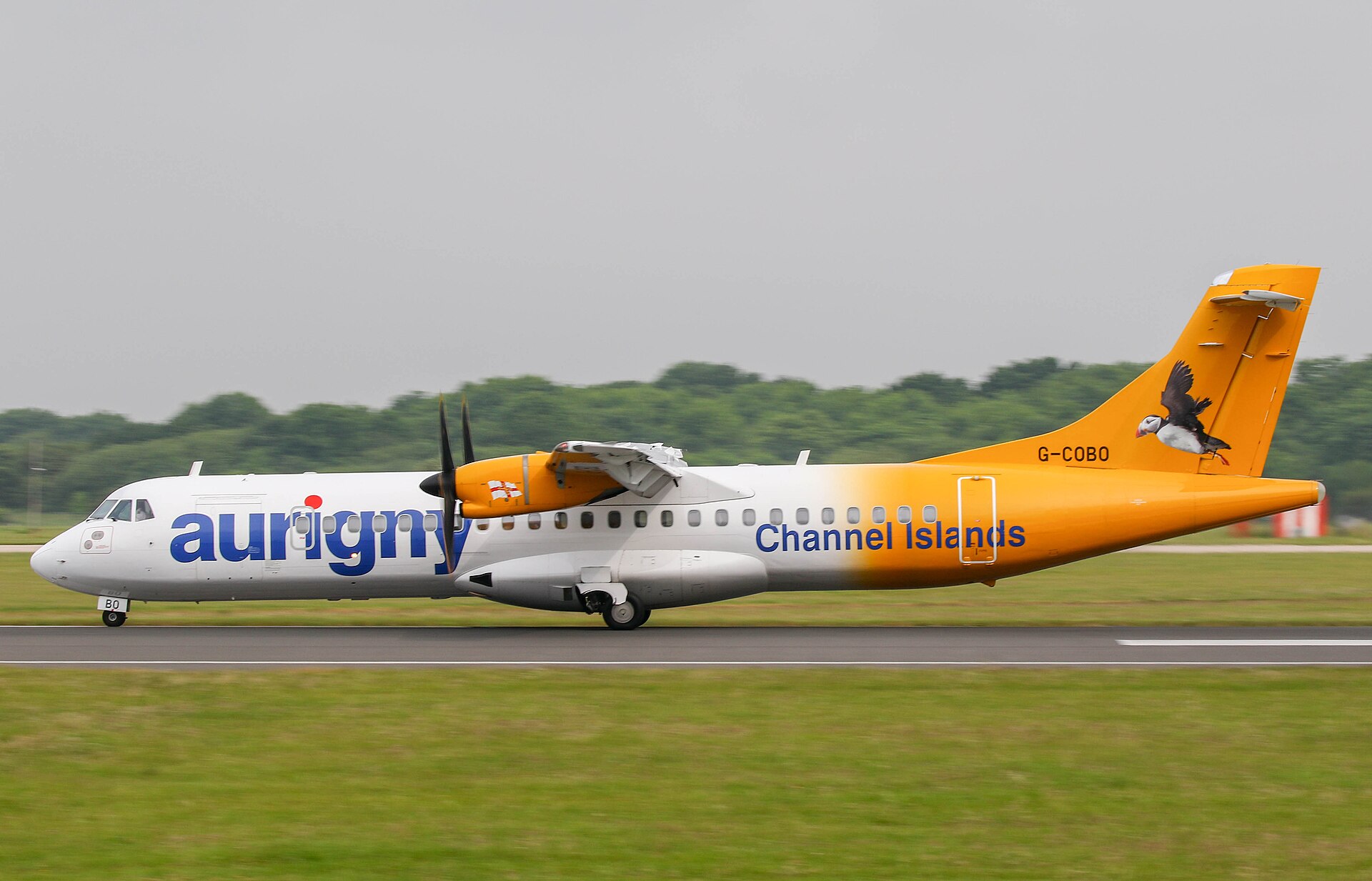
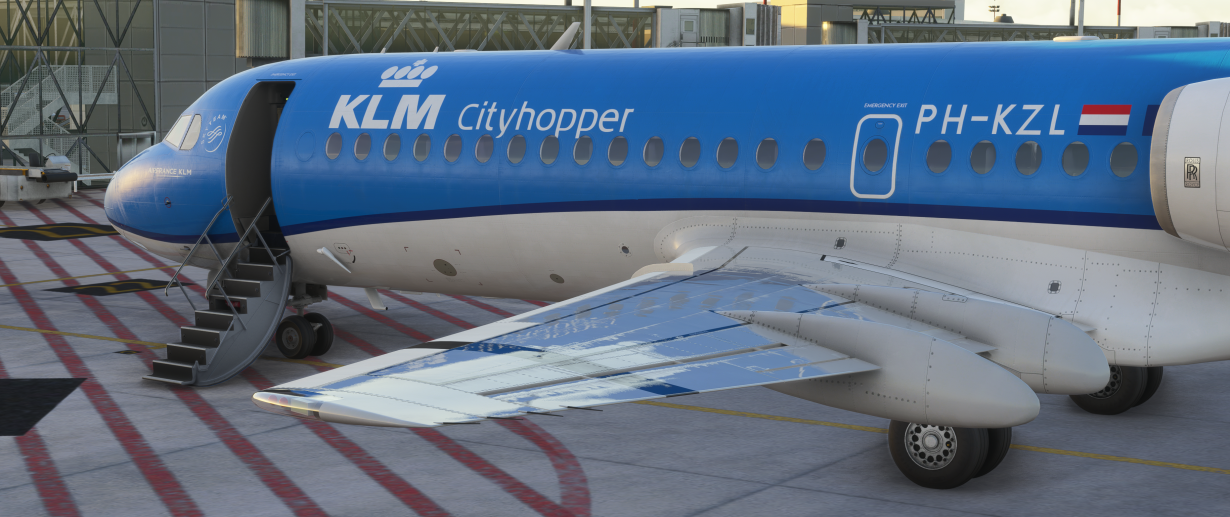
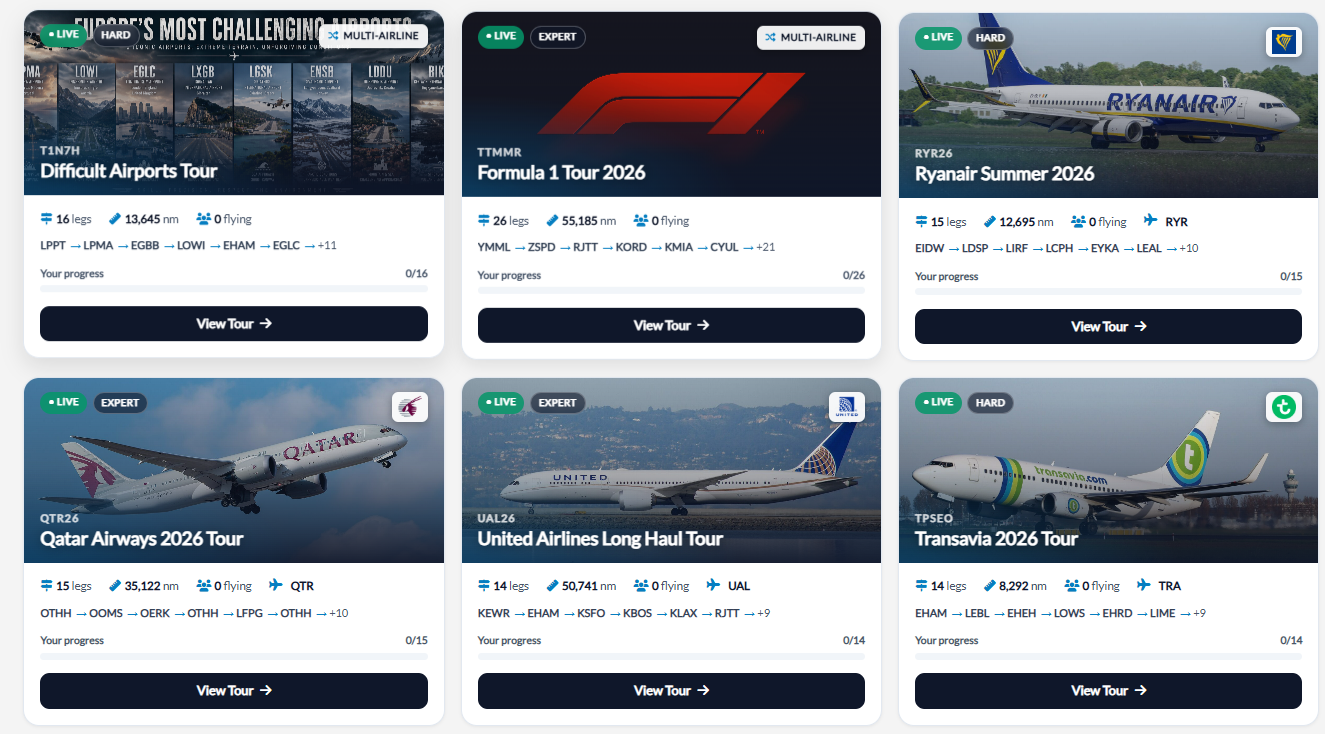
A virtual airline (VA) is an online community that simulates the operations of a real or fictional airline within a flight simulator. Members, called virtual pilots, fly scheduled routes, log their flights, and progress through a rank system based on accumulated hours and performance. Think of it as a structured framework that turns flight simulation from a solitary hobby into a shared experience with goals, achievements, and community.
Virtual airlines have existed since the late 1990s, originally built around FS2000 and FS2004. The ecosystem has matured enormously since then. Modern VAs run on sophisticated web platforms, use automatic flight tracking, integrate with SimBrief for dispatch, and connect with online ATC networks like VATSIM and IVAO. In 2026, with MSFS 2024 as the dominant platform and X-Plane 12 offering a strong alternative, there has never been a better time to join one.
Why Join a Virtual Airline?
Flying solo in a sim is enjoyable, but it can become aimless. A virtual airline solves that by giving you:
- Purpose, Every flight has a route, a schedule, and a reason. You are not just flying from A to B; you are operating a service as part of a larger airline network.
- Progression, Most VAs have a rank system tied to flight hours. You start as a Second Officer and work your way up to Captain or even Chief Pilot. It creates long-term motivation.
- Community, Group flights, Discord servers, events, and shared goals connect you with other pilots who share your interest. Some of the best friendships in the sim community form through VAs.
- Structure, A VA provides standard operating procedures, route networks, and fleet lists. You learn how real airline operations work without needing a commercial pilot licence.
- Accountability, When your flights are tracked and scored, you fly better. Landing rate, fuel efficiency, rule compliance, these metrics push you to improve.
What to Look for in a Virtual Airline
Not all VAs are created equal. Some are run by a single person on a free hosting plan; others are professionally managed with custom software and hundreds of active members. Here is what matters most:
Active Community
The most important factor is activity. Check whether the VA has active members who fly regularly. A VA with 2,000 registered pilots but only 5 flights per week is effectively dead. Look for recent PIREPs, active Discord channels, and regular events. A smaller VA with 50 active pilots is better than a large one with 500 inactive accounts.
Flight Tracking Software
Modern VAs should use automatic flight tracking, an application that runs alongside your sim, records your flight data, and submits PIREPs without manual entry. The best trackers capture your route, altitude, speed, fuel burn, landing rate, and phase of flight in real-time. Avoid VAs that still rely on manual PIREP forms; the experience is frustrating and error-prone.
Route Network
Look at the route schedule. Does the VA fly routes you are interested in? Are the routes based on real-world airline operations, or are they randomly generated? A well-curated route network based on actual airline schedules is far more immersive than a list of random airport pairs.
Simulator Support
Make sure the VA supports your simulator of choice. Most VAs in 2026 support MSFS 2024, X-Plane 12, and Prepar3D v5. Some also support older platforms like FSX and FS2004. Check the flight tracker compatibility before signing up.
Rank and Progression System
A good rank system keeps you motivated over months and years. Check how ranks are earned, is it purely hours-based, or does performance matter? The best systems factor in landing rate, flight rule compliance, and completed routes, not just total block time.
Rules and Flexibility
Some VAs require one flight per month to stay active. Others require one per week. Some have strict SOPs; others are relaxed. Choose a VA whose activity requirements match your real-life schedule. There is no point joining a VA that will mark you inactive after two weeks.
Top Virtual Airlines in 2026
Here are some of the most notable VAs operating in 2026, in no particular order. Each offers a different experience.
JetStream Virtual
JetStream Virtual is a modern virtual airline built on phpVMS 7 with a custom Flight Logger application that provides fully automatic flight tracking and scoring. The route network is based on real-world airline schedules, and the fleet includes narrowbody and widebody aircraft across multiple subfleets.
What sets JetStream apart is the Flight Logger. It automatically detects 12 flight phases, from preflight through to on-blocks, and scores your performance in real time. Landing rate, fuel efficiency, speed compliance, and procedural accuracy all factor into your score. SimBrief integration is built in, so you generate and load your OFP without leaving the app.
JetStream is a strong choice for pilots who value quality tracking, a realistic route network, and a clean modern interface. The community is active on Discord, and the VA runs regular group flights and events.
- Simulators: MSFS 2024, X-Plane 12, Prepar3D v5
- Tracking: JetStream Flight Logger (automatic, 12-phase detection)
- Route network: Real-world airline schedules
- Best for: Pilots who want detailed scoring and professional tracking
VATSIM-Affiliated VAs
Several VAs operate primarily on the VATSIM network and emphasise online ATC interaction. These include well-known names that model specific real-world airlines. If flying with live ATC is your priority, these VAs organise group flights on VATSIM with full ATC coverage. The tradeoff is that some require VATSIM usage for most flights, which can be a barrier for pilots who prefer offline flying.
Cargo and Charter VAs
Not all VAs model passenger airlines. Cargo VAs simulate freight operations, flying FedEx-style routes in 767s and 777Fs, often at odd hours to match real cargo schedules. Charter VAs let you fly ad-hoc routes with more freedom. If you want variety beyond standard scheduled service, these are worth exploring.
Regional VAs
Regional VAs focus on specific geographic areas, Scandinavian routes, Caribbean island-hopping, Australian bush operations. They tend to have smaller communities but very deep route networks within their region. Great for pilots who want to master a specific part of the world.
Legacy VAs
Some VAs have been running for over 20 years and have enormous pilot rosters. The benefit is a large community and a huge route database. The downside is that some legacy VAs still use outdated tracking software and web interfaces. Check the tech stack before joining.
How to Choose the Right VA for You
There is no single "best" virtual airline, it depends on what you want from the hobby. Ask yourself these questions:
- How often will I fly? If you can only fly once a month, pick a VA with relaxed activity requirements.
- Do I want online ATC? If yes, look for VATSIM-focused VAs. If you prefer offline, make sure the VA does not require VATSIM.
- What aircraft do I fly? Make sure the VA has routes and fleet assignments for your preferred aircraft type.
- Do I want detailed tracking? If flight scoring and performance metrics motivate you, choose a VA with automatic tracking and scoring, like JetStream Virtual.
- Is the community active? Join the VA's Discord before signing up. Read the chat. Are people flying and talking regularly?
Getting Started
Once you have chosen a VA, the process is straightforward:
- Register on the VA's website and complete your profile.
- Download the flight tracking application and configure it with your simulator.
- Browse the route schedule and pick your first flight.
- Generate a flight plan in SimBrief (if supported).
- Fly the route, let the tracker record your data, and submit your PIREP.
Your first flight is the hardest, not because it is technically difficult, but because there are several new tools to set up. After that, every subsequent flight is smoother. Within a few sessions, the workflow becomes second nature: pick a route, generate the plan, fly, submit.
Final Thoughts
Virtual airlines are the best way to add structure, purpose, and community to your flight sim hobby. Whether you choose JetStream Virtual, a VATSIM-focused VA, a cargo outfit, or a regional specialist, the key is to start flying. Pick a VA that matches your style, sign up, and file your first flight plan. The community is waiting.