A virtual airline puts thousands of routes in front of you. They range from 35-minute regional shuttles to 17-hour ultra-long-haul. Choosing between them is one of the most important decisions a new VA pilot makes, and the popular answers ("long-haul is more realistic", "short-haul is for casuals") are wrong in both directions. Both have their place; the trick is matching the flight to the life around the sim.
What short-haul actually is
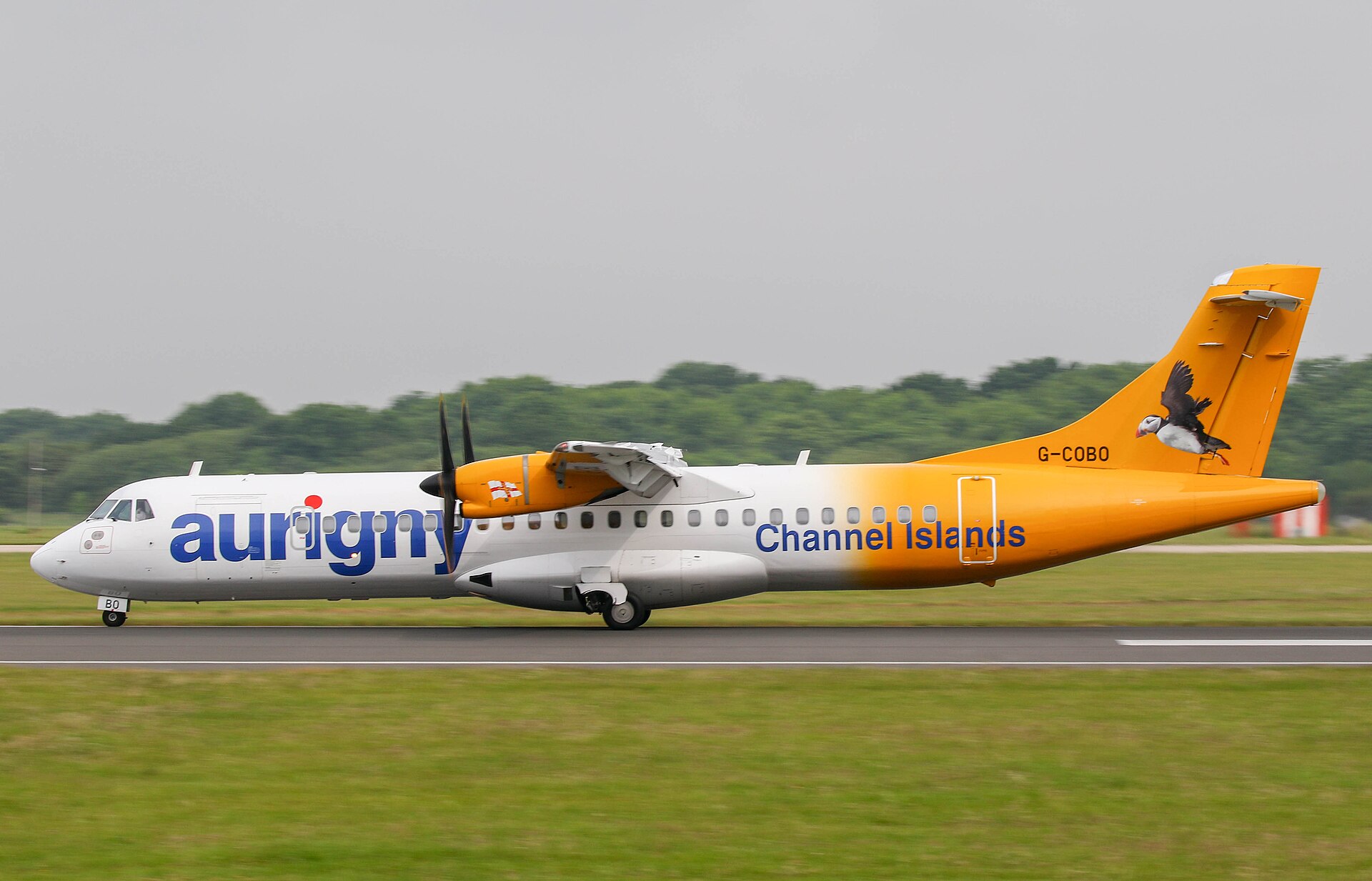
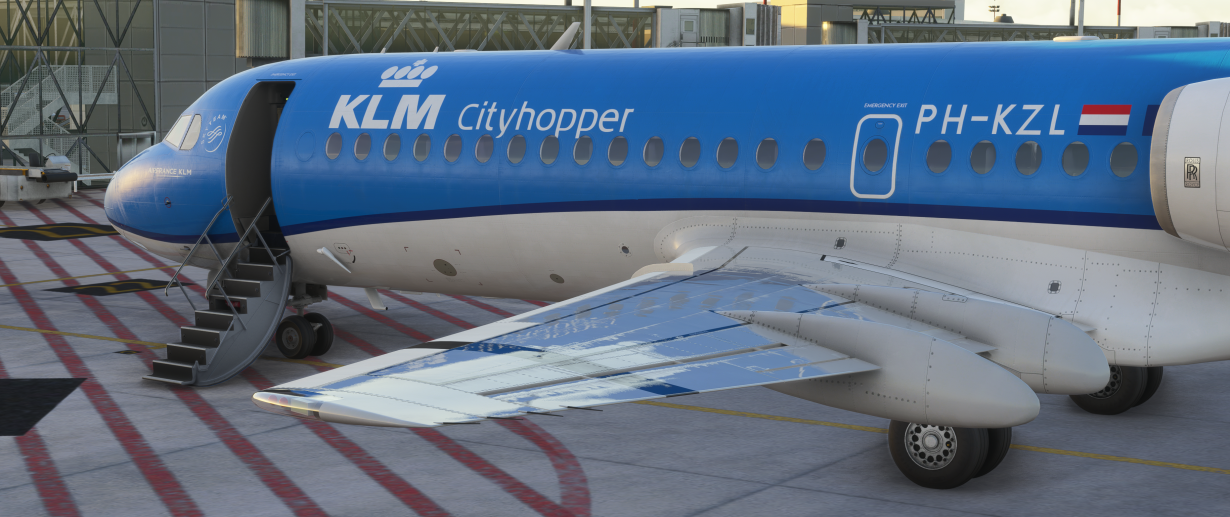
Short-haul flying typically means flights between 30 minutes and 3 hours. In a single evening session you can:
- Brief, set up, depart.
- Climb to cruise, monitor for 15-45 minutes.
- Top-of-descent, STAR, approach, land.
- Taxi to gate, file PIREP.
It's the entire arc of a flight, compressed enough to fit two or three flights in one session if you want.
What long-haul actually is
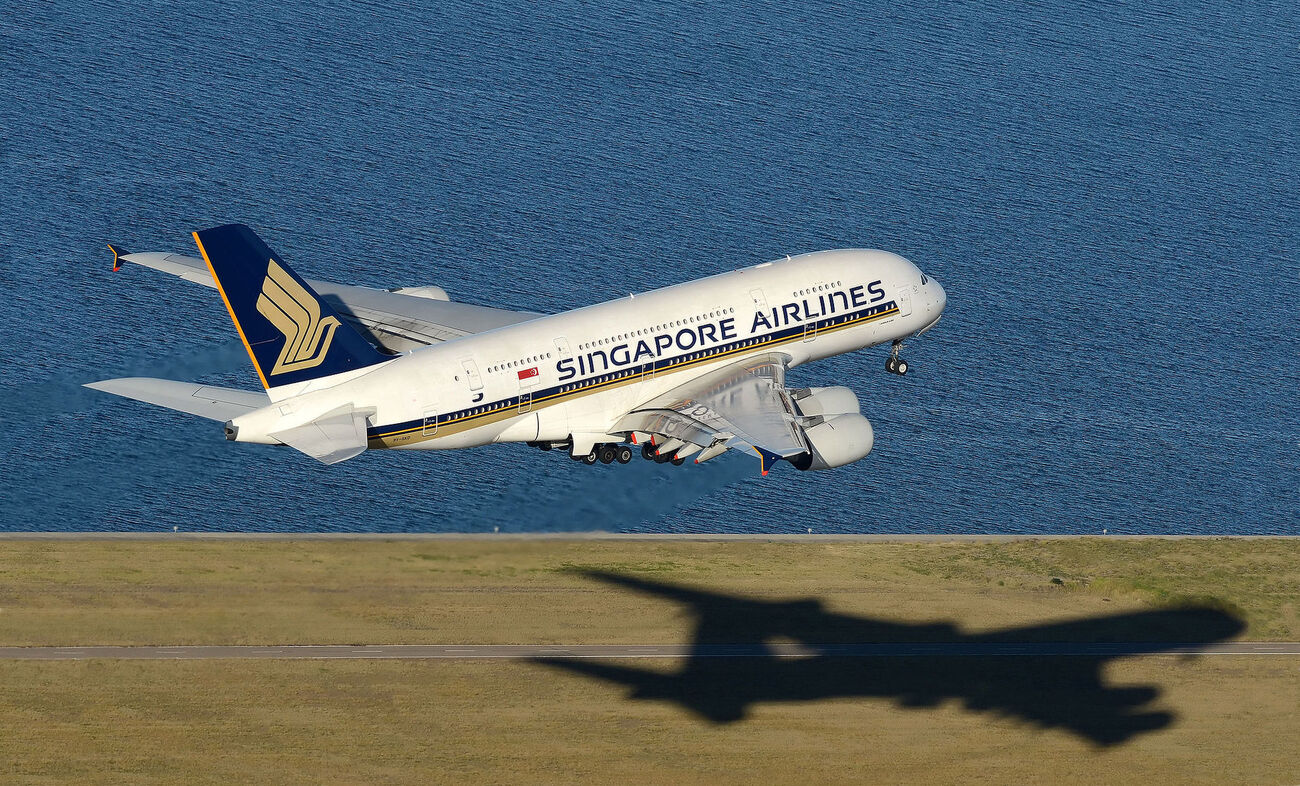
Long-haul means 6+ hours of flight time, often 10–14 hours. The cruise phase becomes 70–80% of the flight. Hours of straight-and-level over ocean. Periodic step-climbs. Possibly a planned crew rest. Then a single high-stakes approach into an unfamiliar airport at the end.
The work is front-loaded (planning, dispatch, climb-out) and back-loaded (descent, approach). The middle is mostly monitoring. Some pilots love this rhythm; others find it slow.
The honest tradeoffs
| Short-haul | Long-haul | |
|---|---|---|
| Time commitment | 30 min – 3 hr | 6 – 17 hr |
| Sessions per route | 1 (often 2) | 1 (sometimes split across days) |
| Landings per session | 1–3 | 1 (occasionally 0 if diverted) |
| Workload distribution | Constant | Spiky (busy ends, quiet middle) |
| Decision density | High | Low |
| Discovery rate | Many new airports quickly | Few airports, deeply learned |
| Risk of session-ending crash | Low (short exposure) | Higher (long sim runtime) |
| Suits which equipment | Almost anything | Needs reliable PC, ideally autosave |
How to choose
Match the flight to the session you can realistically commit. There's no point starting a 9-hour flight at 21:00 if you fall asleep at 23:00. There's also no point flying three 40-minute hops if you actually wanted to settle in for an immersive transoceanic.
- Weeknight after work: Short-haul. 60-90 minutes.
- Saturday morning, no plans: Long-haul. Treat it as a half-day project.
- Casual fly-while-doing-something-else: Long-haul cruise phase works perfectly, set it up, monitor every 20 minutes, come back for descent.
- VATSIM events: Short-haul. Sessions are crowded, controlled, and intense. Long-haul during an event means lots of online time across multiple sectors.
The middle ground
3-5 hour flights are an underrated sweet spot. Long enough to feel like a "real" flight, proper dispatch, oceanic clearances, two meals on the autopilot, but short enough to start after dinner and finish before midnight. Western Europe to Eastern Europe, US transcons, Asia regional jets. If you don't know what to fly, pick something in this range.
Realism is not length
A common misconception is that long-haul is "more realistic" than short-haul. It is more endurance-testing, but real-world short-haul is intense, fast-moving, schedule-pressured flying with quick turnarounds and busy radio. Doing five real-world short-haul legs is operationally more demanding than a single long-haul cruise. Choose whichever matches your appetite, and don't let "realism" arguments push you somewhere you don't enjoy.
Burnout warning
The most common reason people stop flying with a VA is burnout from over-committing. They sign up, immediately try to fly long-haul daily, lose evenings, fall behind real life, and quit. Going slow at the start protects the hobby. A short-haul a week is sustainable for years. Three long-hauls a week becomes a job.
One thing both have in common
Whatever you choose, finish what you start. An incomplete flight teaches nothing and frustrates you. Better to fly a 45-minute hop you complete than to abandon a transatlantic at FL370 in frustration. Build the habit of finishing, and then experiment with length once finishing is easy.